
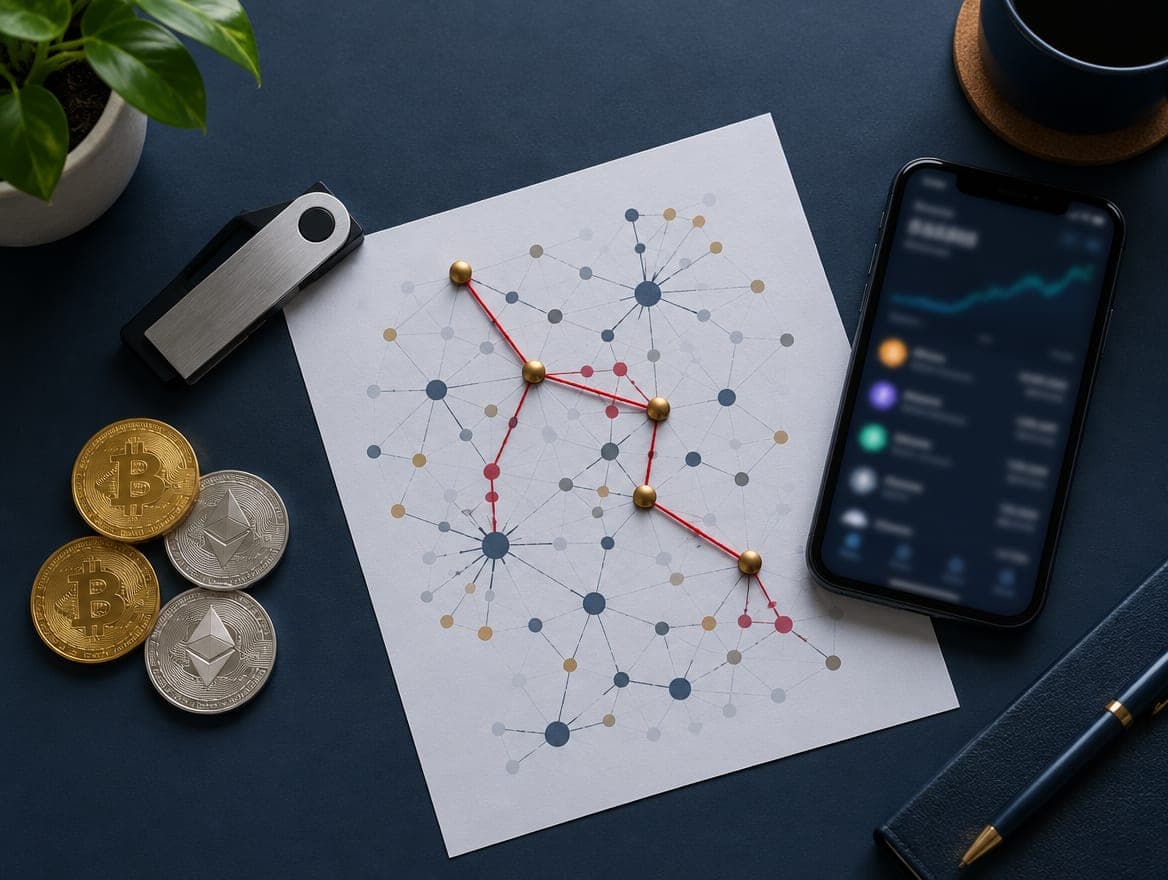
Every hop is mapped and verified on-chain.
Service
We follow stolen or misdirected digital assets across wallets, chains and bridges, and identify where funds reached exchanges or regulated services.
Overview
Every cryptocurrency transaction is recorded on a public blockchain. That doesn't make tracing easy — scammers deliberately split funds across many wallets, swap between tokens, move them through cross-chain bridges and mixing services — but it does mean the trail usually exists.
GFIR uses blockchain analytics and manual verification to follow that trail hop by hop. The goal is to identify the point where funds touched a service that knows its customers: a centralised exchange, an OTC desk or a payment provider. Those services can be asked by police, courts or lawyers to freeze funds or disclose account information.
Each trace is documented so that someone else — a detective, a compliance officer, a judge — can follow the same steps and reach the same conclusion.
Every hop is mapped and verified on-chain.

Clusters of wallets are linked to identify who controls them.

The goal: reach an exchange that knows its customers.
How it works
We start from the transactions you made — hashes, wallet addresses, dates and amounts — and confirm them on-chain.
We follow the funds across wallets, tokens, bridges and chains, separating real movement from noise.
We identify which addresses belong to exchanges or other identifiable services, and where funds may still be held.
Every hop is evidenced and explained in a report that can support a freeze request or legal action.
Who it's for
Realistic expectations
Tracing shows where funds moved. Recovery depends on exchanges, courts and law enforcement — no one can guarantee it.Before you contact us
Don't worry if you don't have everything — send what you can and we'll guide you through the rest.
Questions
In most cases, yes — public blockchains record every transaction. Privacy coins and some mixing techniques make it harder, and we'll tell you honestly if a trace is unlikely to be useful.
As soon as possible. Funds that reach an exchange can sometimes be frozen, but they may be moved again within hours or days.
No. We only need public information like transaction IDs and addresses. Never share your seed phrase or private keys with anyone.
Typically you share it with the police, your lawyer or the exchange involved. We explain the realistic options in the report itself.
Guides

Guide · Cryptocurrency tracing

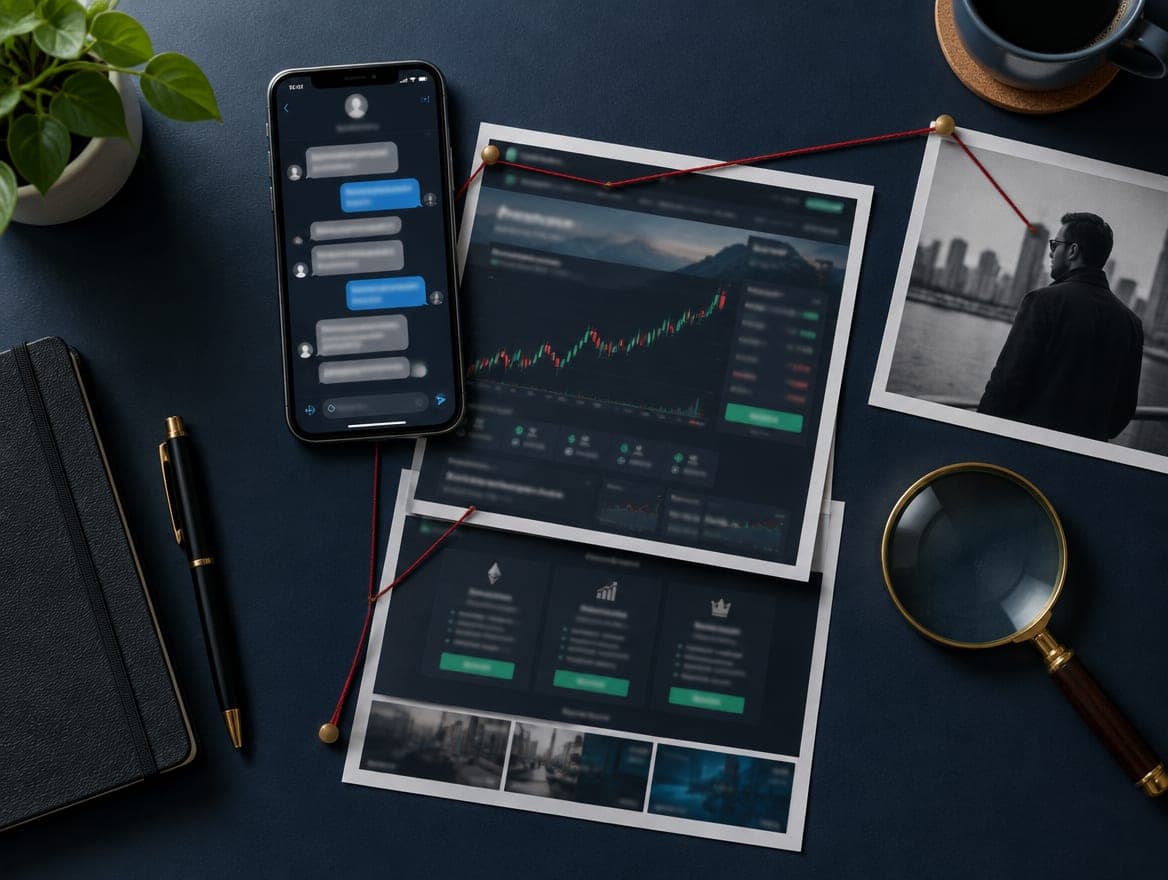
Online fraud investigation
Investment platforms, impersonation and payment fraud — we reconstruct what happened and who was behind each step.
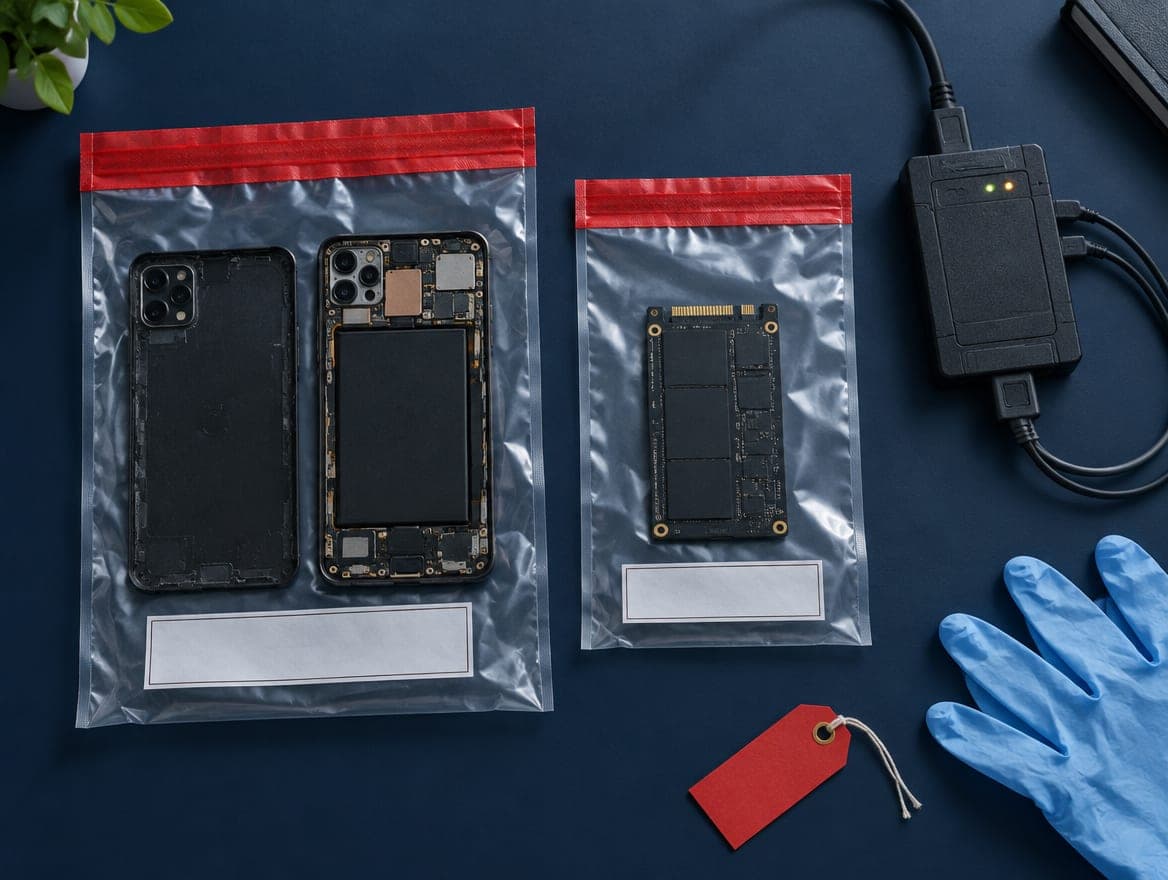
Digital forensics
Forensically sound collection and analysis of phones, computers, email and cloud accounts, preserving evidence so it can be relied upon later.

Investment fraud
Fake brokers, trading apps and ‘guaranteed return’ schemes — we document how the scheme worked and trace where your money went.

Confidential case review
Confidential case review
Your message is read by an investigator, not a sales team. We'll reply with an honest assessment of what can be done.
Have a question first? Read our FAQ →
Prefer email? info@gfirglobal.com